A Fergie Baby AI guide
Halloween AI Trends 2026: What People Are Searching For
 Fergie Baby AI Team
A grounded look at Halloween AI trends in 2026: the character and costume categories, the image/video/prompt split, and how to turn a trend into a page.
Try it here
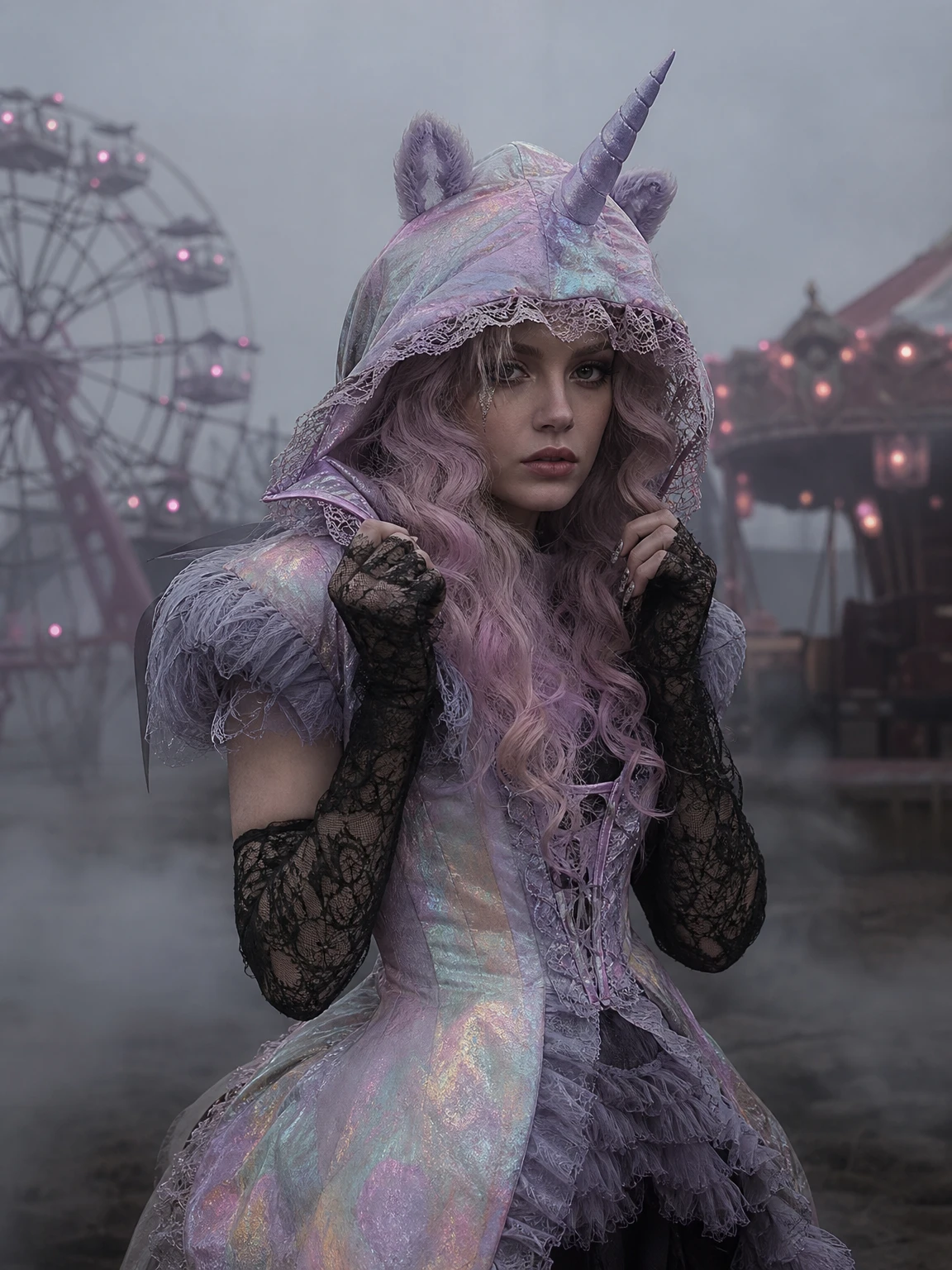
Haunted Unicorn, with your own face
The look this guide describes is the generator below. Make a still first, then decide whether you want the video.
Halloween trend lists are everywhere in October, and most of them are a mix of real search demand, retail forecasting and wishful thinking. That does not make them useless. It makes them a starting point: a list of characters, costumes and visual ideas that people are already talking about, which you can turn into a page, a prompt or a tool.
This guide is about the AI side of that list. Which categories translate into image, video and prompt products, which ones do not, and how to build a page that is useful after the trend passes.
The five categories that show up every year
The lists circulating in 2026 keep landing in five buckets:
- Overall costumes. Characters from films, games, music and internet culture.
- Kids' costumes. The same characters, filtered for a younger audience.
- Pet costumes. Food, animals, movie props and internet jokes.
- Couple costumes. Coordinated pairs, often with a visual contrast.
- Horror films and characters. Masked killers, haunted places, mascot horror.
Each bucket has a different AI use case. A character costume is an image edit. A horror scene is a video mood. A couple costume is a two-photo composition. A pet costume is a breed-preserving edit. Treating all five as "make a Halloween page" is how you end up with five pages that say the same thing.
What actually translates into an AI product
A named visual silhouette. "Haunted unicorn" is usable because it has a hood, a horn, a pastel-gothic palette. "Buddy the Unicorn" is harder because it is a specific film character; an original "haunted unicorn mascot" direction is the honest version.
A costume that can be described in materials. Velvet, lace, armour, a cloak, a crown. If the costume is a joke or a logo, the model will struggle.
A photo the user already has. A selfie, a pet photo, a couple photo. If the product requires a professional shoot, the funnel is too long for a seasonal trend.
A format that fits the platform. A 3:4 portrait for a post, a 9:16 clip for Reels and Shorts, a copyable prompt for people who use other tools.
What does not translate
A specific celebrity likeness. Do not build a page around a real person's face. It is a consent problem and a platform problem.
A film-accurate costume. A model can make a "sci-fi hero", not a licensed suit. Say "original direction" and avoid implying an official collaboration.
A trend with no visual hook. A song, a catchphrase or a plot point may be popular without giving the model anything to draw.
A search term with no intent. A high-volume word can be curiosity, not a request for a tool. Check what the first page of results actually is before you build.
The image, video and prompt split
The same trend can support three different pages:
- Image page. "Turn one photo into this look." The product is a portrait.
- Video page. "Put this look on the 12-second walk." The product is motion.
- Prompt page. "Here is the prompt and an example." The product is a copyable recipe.
These are not interchangeable. A user who wants a prompt may not want to pay for a render. A user who wants a video may not care about the prompt. A page that tries to be all three usually does none of them well.
How to build a page that survives the season
Use a stable URL with the year in the title, not the URL. Update the looks, the example images and the prompt each year. Keep the page's core promise the same: one photo in, a named look out.
Add real content:
- A clear description of what the look changes.
- A photo guide.
- A copyable prompt.
- An honest price.
- A limit section.
- A FAQ that answers the questions people actually ask.
Do not add a fake countdown, a fake testimonial or a fake "10,000 users" badge. Seasonal traffic is short; trust is the only thing that carries into next year.
The data caveat
Third-party keyword tools are estimates. They are especially noisy for seasonal words, because the demand is concentrated in a few weeks and the tools smooth it out. A low monthly estimate does not mean there is no demand in late October; it may mean the tool is averaging a spike across twelve months.
The useful signal is not a single number. It is the shape: is the term rising, is it seasonal, is the first page full of thin pages or real tools, and can you make a page that is genuinely better than what is there?
What we built
The AI look library is our answer to the list: six Halloween directions, a pet look, a couple look, and four seasonal looks for Black Friday, the holidays, New Year and Valentine's. Each one has a page, a prompt and a real generator. The AI Halloween costume generator is the hub, and the Halloween AI prompts page is the copyable library.
None of it requires a film license, a celebrity photo or a costume rental. That is the point: the trend is a direction, not a product you have to own.
How to tell a real trend from a list
A trend list is a snapshot of attention, not a demand forecast. Before you build a page, check three things: whether the term is rising over time, whether the first page of results is full of thin pages or working tools, and whether you can make something that is genuinely more useful than what is already there.
If the first page is all news articles and no tool, that can be an opening. If the first page is full of established tools with real examples, a new page needs a sharper angle. If the term is a one-day meme with no visual hook, a page will not help.
The best seasonal pages are not the ones that chase the biggest word. They are the ones where the product, the photo and the search intent line up. A costume portrait is a good fit because the user already has a photo and already knows what they want to look like. A generic "Halloween AI" page is not, because it has to guess what the visitor means.